

Engaging in Play
The Most Important Work of Childhood
Learning to Learn in Inclusive Pretend Play
Pretend play with peers is where early learners experience the empowerment and joy that come from contributing and participating in the group.
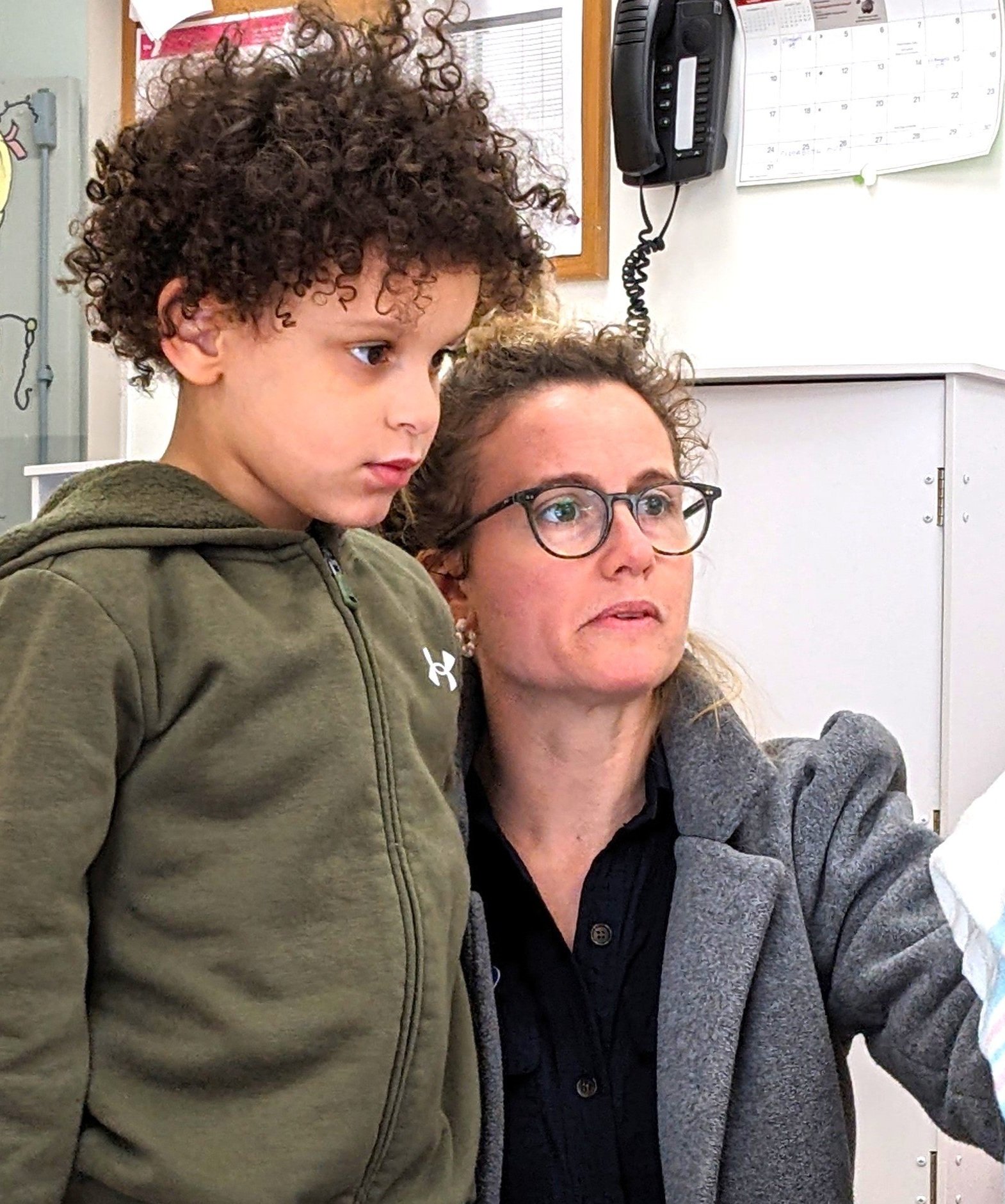
As early childhood educators, our role is to help them explore more deeply, interact more fully, and share all their ideas.
Children who explore comfortably play in proximity to peers. They do not bolt from the environment. They go from manipulating a variety of objects and materials to planning, pretending, and using objects to act out complex ideas.
Imagine a classroom where engagement problems are solved.

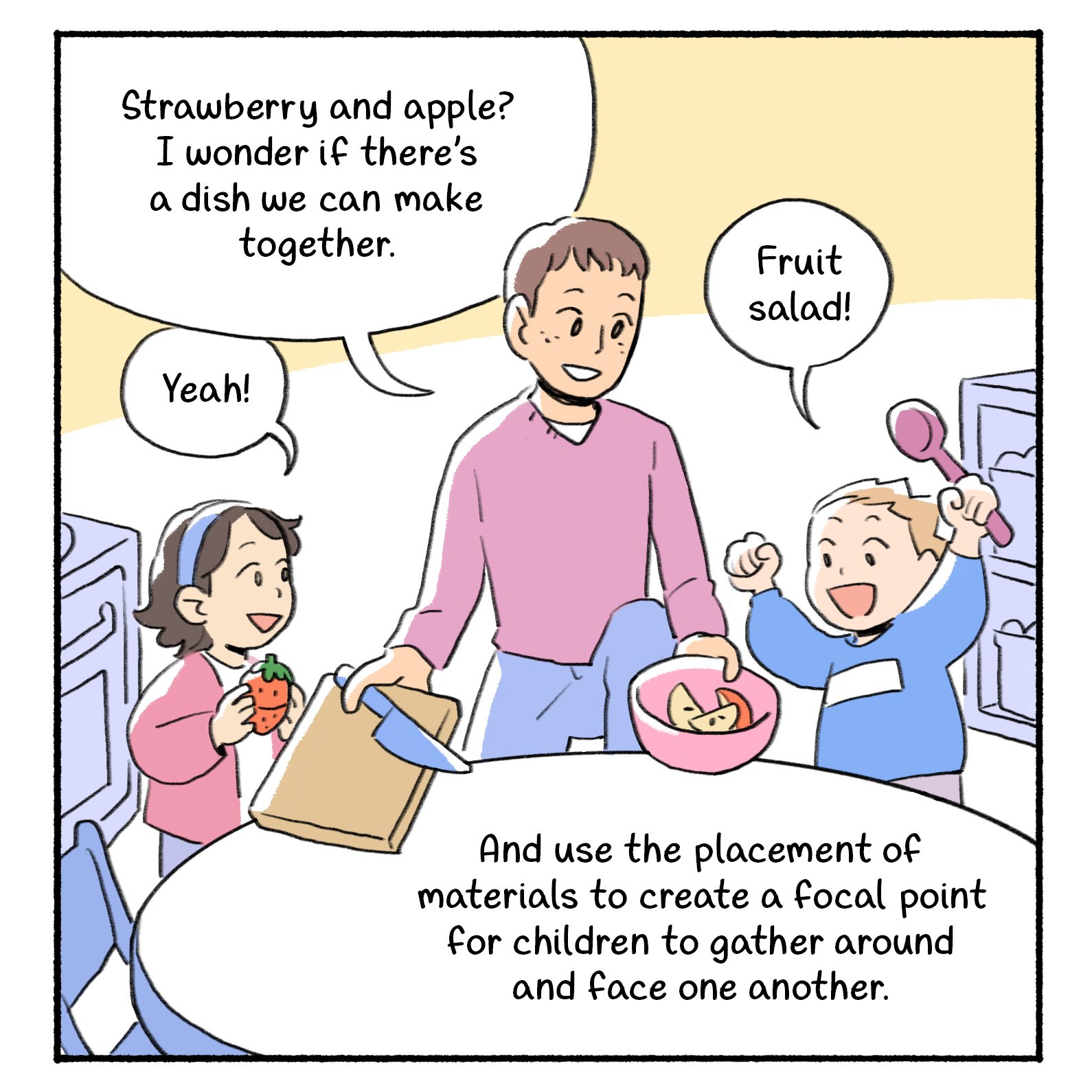
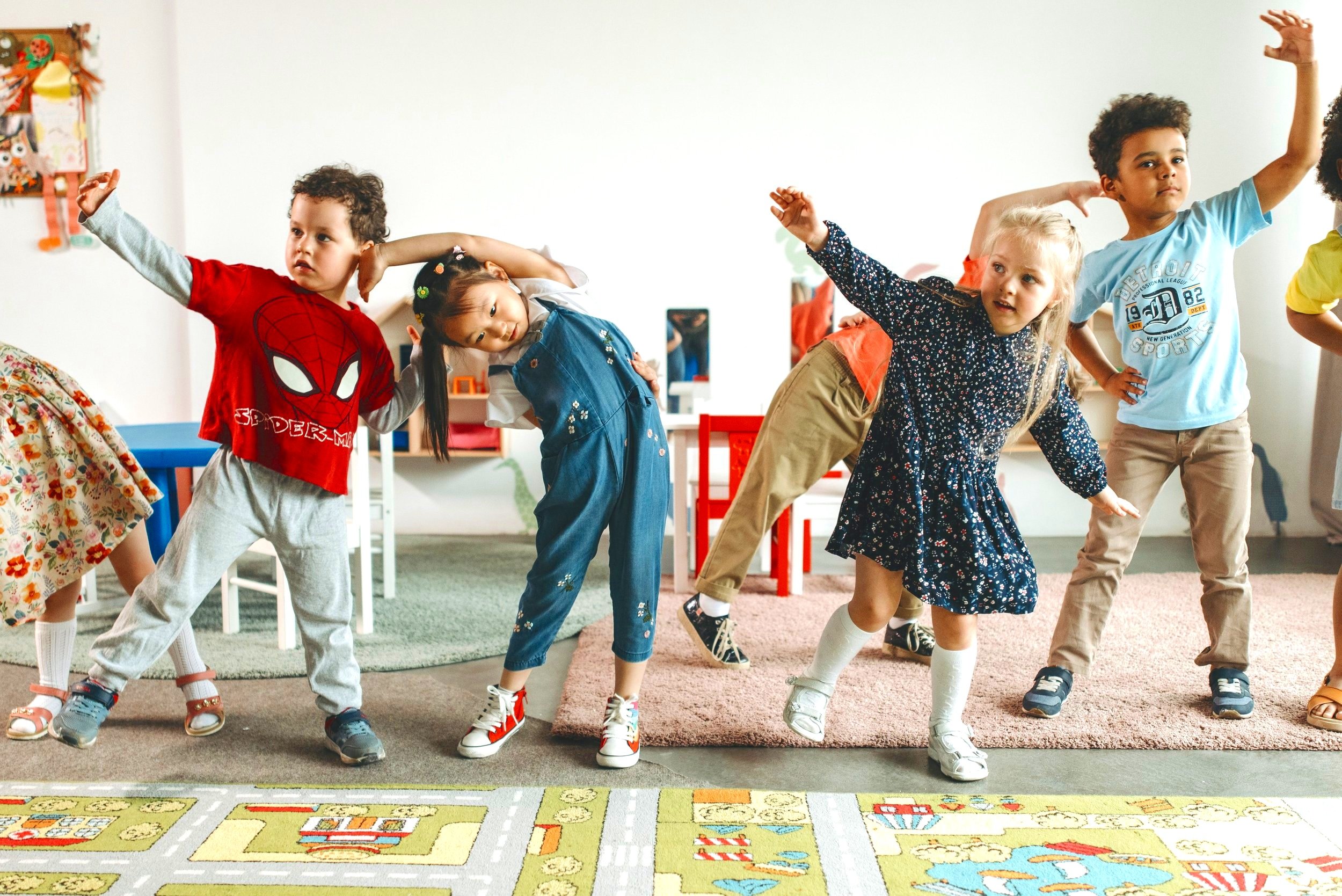
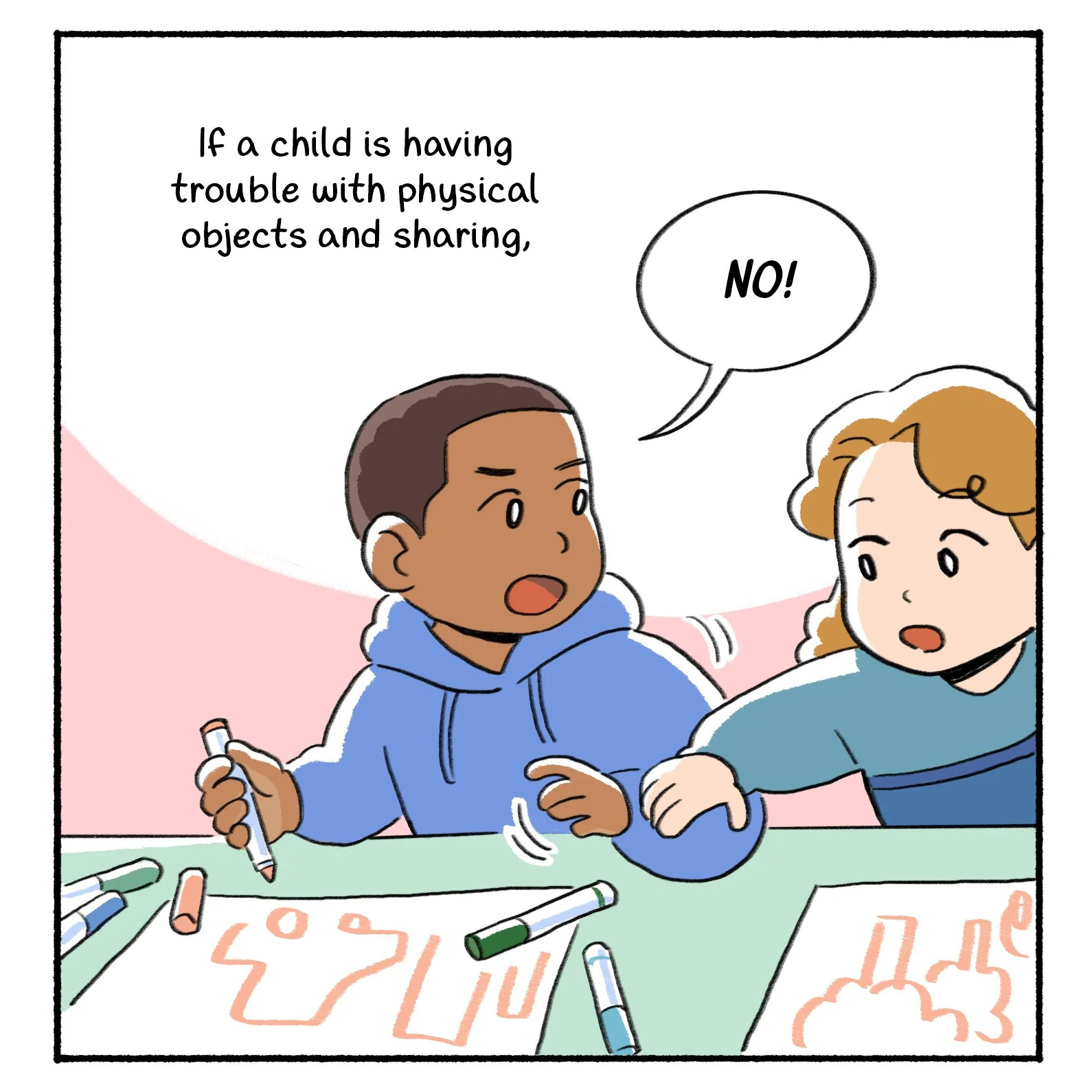
Children who interact share reactions and exchange expressions with peers. They follow norms like singing with the group. They respond to bids for attention and have basic conversations. They correctly seek help, and say “no” verbally rather than physically.

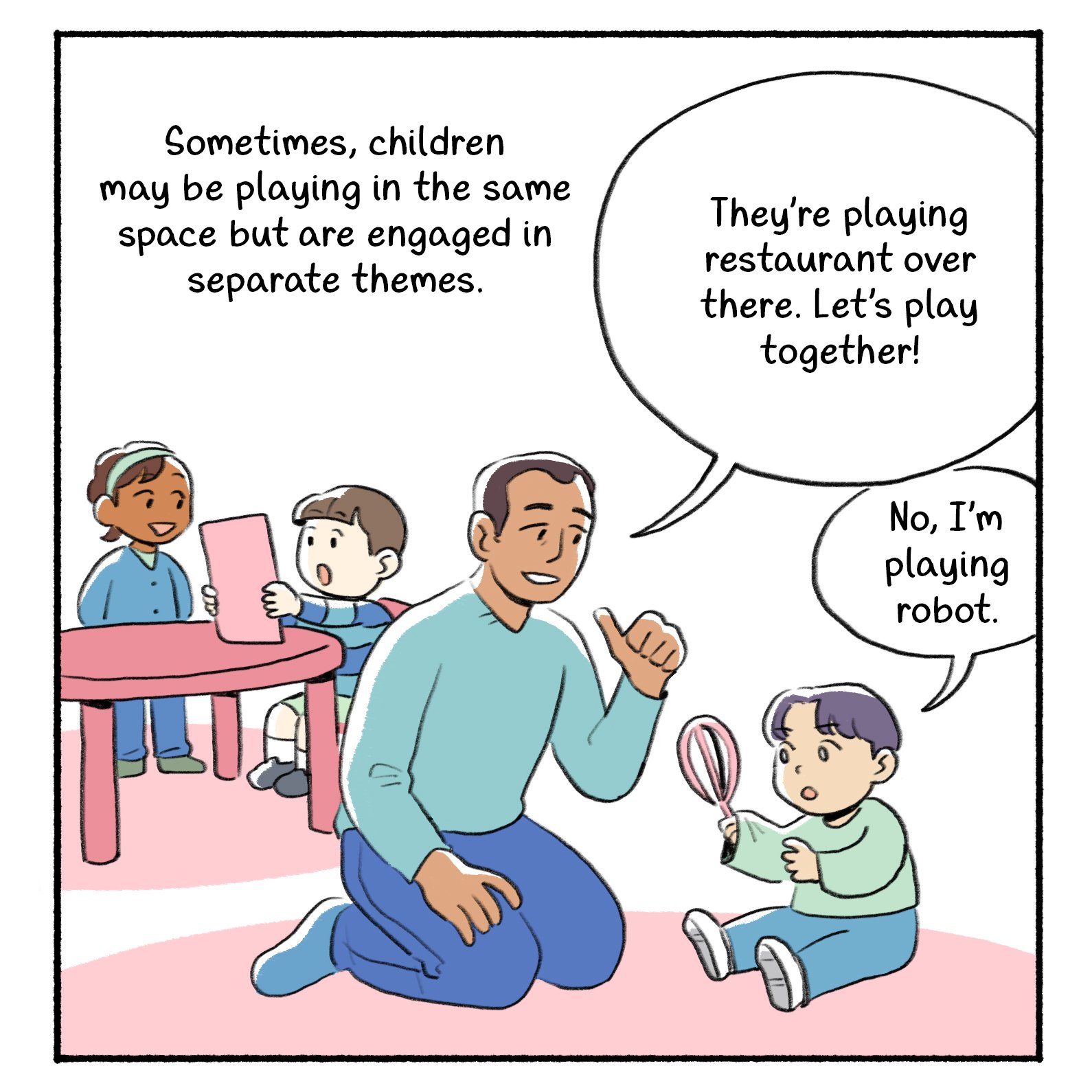
Children who share thinking can take the perspective of others. They tolerate and enjoy pretending with objects and roles. They can think about the past and present to plan for the future. They have a sense of self-identity, and can also identify with the group.



How does Learning Seeds view exploration through an Engagement Lens? How do we guide it?


How does Learning Seeds approach interaction through an Engagement Lens? How do we cultivate it?






Educators — Learn how we apply our Engagement Lens in our work with children. Reach out to us about professional development for your education team!